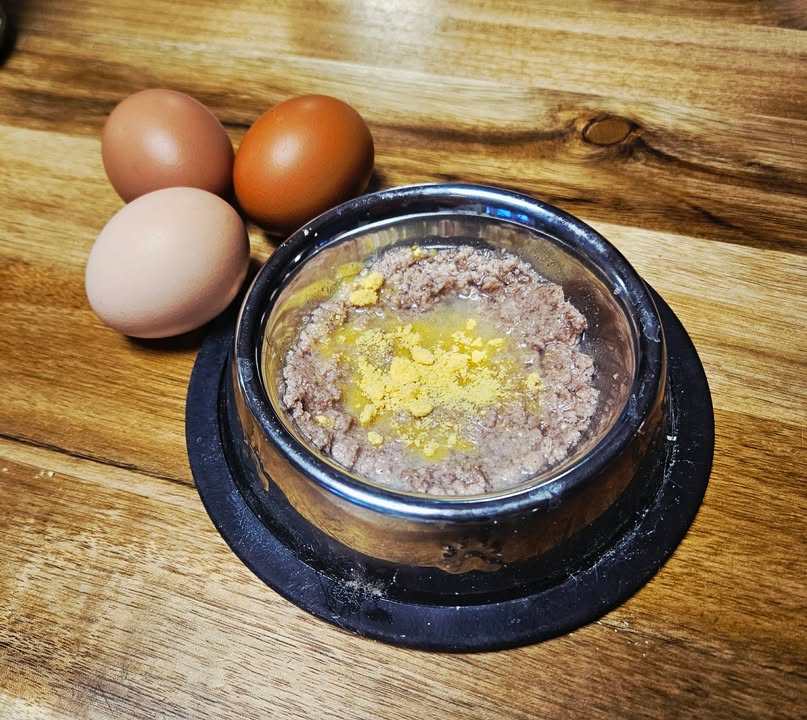
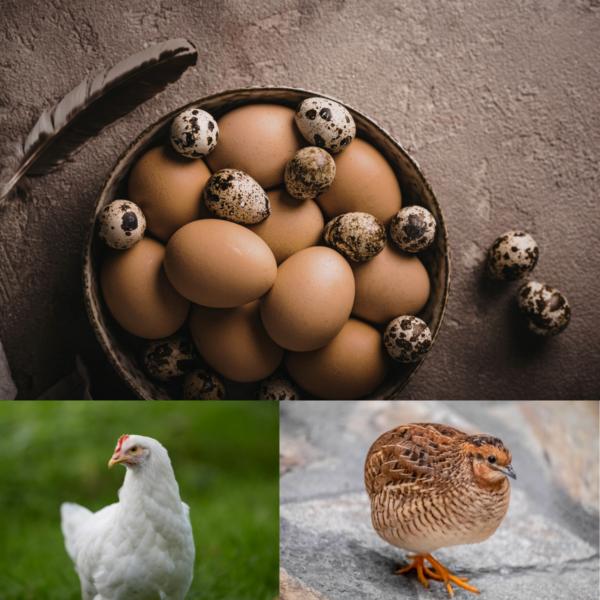
Eggs are a nutrient-rich food that can offer several health benefits for both dogs and cats when served properly. Packed with high-quality protein, essential fatty acids, and vital vitamins, eggs can be a valuable addition to a balanced pet diet. Egg varieties commonly fed to pets include: Chicken & Quail Eggs
1. Excellent Source of Protein
Eggs provide complete protein, containing all essential amino acids needed for muscle development, tissue repair, and overall growth. This makes them an ideal supplement for active pets or those recovering from illness.
2. Rich in Vitamins and Minerals
Eggs contain vitamins A, D, E, and B-complex, along with minerals like iron, selenium, and zinc. These nutrients support immune function, skin health, and energy metabolism.
3. Promotes Healthy Skin and Coat
The fatty acids and biotin found in eggs help maintain a shiny coat and healthy skin. Regular inclusion of eggs can reduce dryness and flakiness, especially in pets prone to skin issues.
4. Supports Brain and Eye Health
Egg yolks are rich in choline and lutein, nutrients that contribute to brain development and eye health. These compounds can be particularly beneficial for senior pets or growing kittens and puppies.
5. Easily Digestible
Eggs are generally gentle on the digestive system and can be a good protein source for pets with sensitive stomachs. They are also useful for encouraging appetite in picky eaters.

How to Serve:
Serve Raw – feeding pets raw eggs can be a bit of a controversial topic due to the possible risk of salmonella or biotin deficiency from raw egg whites. Fortunately, our pet’s digestive juices are quite powerful and can handle salmonella and other bacteria in raw foods. Egg yolks are also a good source of biotin so when serving the whole egg, you shouldn’t need to worry about a biotin deficiency unless you were feeding a very large amount of egg whites. You’ll want to feed quality eggs that are stored at cool temperatures to keep bacteria at a manageable level
Serve Cooked – if you are not comfortable feeding raw eggs to your dog or cat, or unsure how their body will handle it then hard-boiled or scrambled are good ways to cook eggs for your pet. When cooking eggs you do lose some of the nutrients but will still receive many of the benefits eggs provide.
Serve Freeze Dried or Dehydrated – there are many options available nowadays to purchase freeze dried or dehydrated egg powders or egg yolks. Make sure you purchase quality products and feed in moderation. SaskPets has a Freeze Dried Whole Egg Topper that is easy to add to your pet’s food!

Feeding Tips:
- Introduce eggs gradually and in moderation—typically one or two small servings per week, depending on the pet’s size and dietary needs
- Some dogs can have an allergic reaction or sensitivity to eggs. Signs of a problem would be vomiting or diarrhea, or even a symptom like itchy skin or inflamed ears after they eat eggs. If your pet hasn’t had eggs before and you’re concerned about a possible allergy or sensitivity you can consult a veterinarian before adding eggs to a pet’s diet, especially for animals with specific health conditions or allergies.
- Use eggs or egg powders as food toppers or on lick mats to provide extra enrichment and a protein boost
Conclusion
When prepared safely and fed in moderation, eggs can be a wholesome, natural addition to a dog’s or cat’s diet. They provide essential nutrients that support energy, immunity, and overall well-being, making them a simple yet powerful superfood for pets.