
Freeze-Dried vs. Dehydrated Pet Treats: What’s the Difference?
Pet owners are increasingly turning to natural, minimally processed treats to keep their furry companions healthy and happy. Two popular options—freeze-dried and dehydrated treats—often appear similar but differ significantly in how they’re made, their nutritional value, and their texture. Understanding these differences helps in choosing the best option for a pet’s needs.
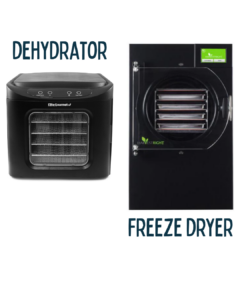
How Each Process Works
Freeze-Drying:
Freeze-drying involves freezing raw ingredients and then removing moisture through a process called sublimation, where ice turns directly into vapor without becoming liquid. This method preserves the food’s structure, nutrients, and flavor exceptionally well.
Dehydrating:
Dehydration uses warm air to slowly remove moisture from food over time. While it’s an effective preservation method, the heat can slightly alter the texture and reduce some heat-sensitive nutrients.
Nutritional Value
Freeze-dried treats retain nearly all their original nutrients because the process doesn’t involve high temperatures. Vitamins, minerals, and proteins remain intact, making these treats a close match to raw nutrition. Dehydrated treats, while still nutritious, may lose a small percentage of vitamins due to heat exposure. However, they remain a wholesome and natural option compared to heavily processed snacks.
Texture and Taste
Freeze-dried treats are light, airy, and crumbly. They rehydrate quickly when mixed with water, making them ideal for pets that prefer softer textures or for use as meal toppers. Dehydrated treats are chewier and denser, offering a satisfying crunch that many pets enjoy. The difference in texture can influence which type a pet prefers.
Shelf Life and Storage
Both freeze-dried and dehydrated treats have long shelf lives due to their low moisture content. Freeze-dried treats typically last longer and are less prone to spoilage, provided they’re stored in airtight containers away from humidity. Dehydrated treats also store well but may have a slightly shorter lifespan.
Cost and Convenience
Freeze-drying is a more complex and energy-intensive process, which often makes freeze-dried treats more expensive. Dehydrated treats are generally more affordable and widely available. Both types are lightweight and easy to store or carry, making them convenient for travel or training.
Which Is Better?
The choice depends on a pet’s dietary needs and preferences.
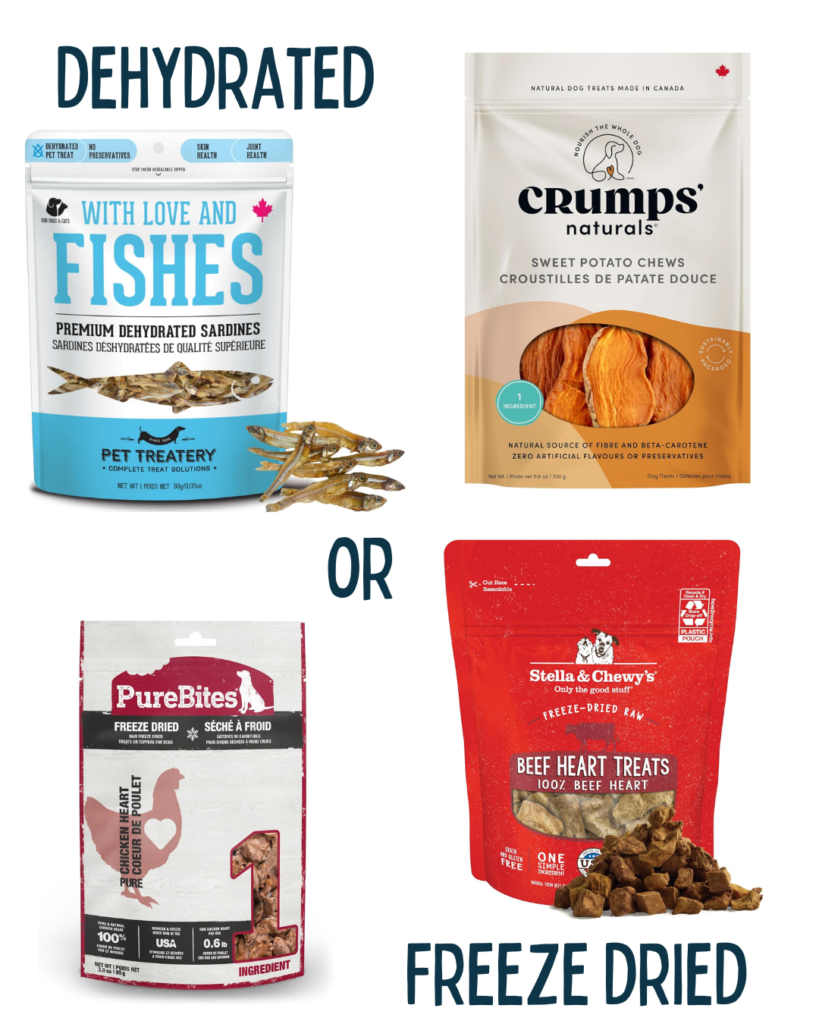
Dehydrated treats are great for pets that enjoy a chewy texture and for owners looking for a cost-effective, natural option.
Freeze-dried treats are ideal for pets on raw or high-protein diets, or for owners seeking maximum nutrient retention.
Final Thoughts
Both freeze-dried and dehydrated pet treats offer healthy, preservative-free alternatives to traditional snacks. Freeze-dried treats excel in nutrition and freshness, while dehydrated treats provide a satisfying chew and affordability. Choosing between them ultimately comes down to what best suits a pet’s taste, health goals, and lifestyle.